A hand-crank emergency radio—commonly known as a dynamo radio—relies on a compact built-in electric generator, with its functionality rooted in the fundamental physics of electromagnetic induction . This self-sustaining design makes it a reliable tool for off-grid scenarios, from outdoor adventures to disaster response.
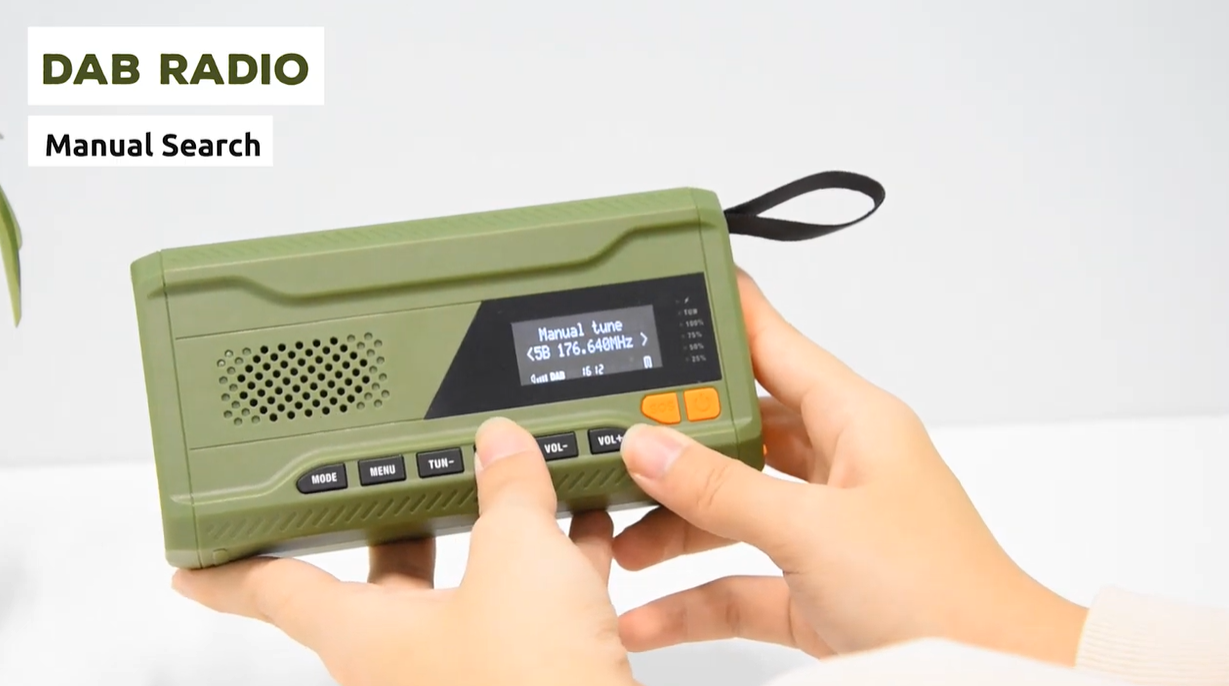
When the user manually turns the radio’s crank handle, they input mechanical energy that sets a rotor in motion. This rotor is typically fitted with a magnet and positioned inside a stationary coil of wire . As the magnet rotates within the coil, it disrupts the magnetic field around the wire—a movement that triggers the production of alternating current (AC) through electromagnetic induction .
This AC power then flows through an internal rectifier circuit, which converts it to direct current (DC) . The DC energy is either used immediately to run the radio or stored in a built-in rechargeable battery, ensuring the device can operate even when the crank isn’t being turned . This stored power also fuels auxiliary features like LED flashlights, SOS alarms, or USB ports for charging small electronics .
The greatest strength of hand-crank radio systems lies in their power redundancy . While top-tier models often include multiple power options—such as disposable AA/AAA batteries, solar panels, or USB charging—the dynamo generator serves as a fail-safe . It eliminates complete reliance on external power sources, whether grid electricity is out during a storm or spare batteries are unavailable in remote areas .
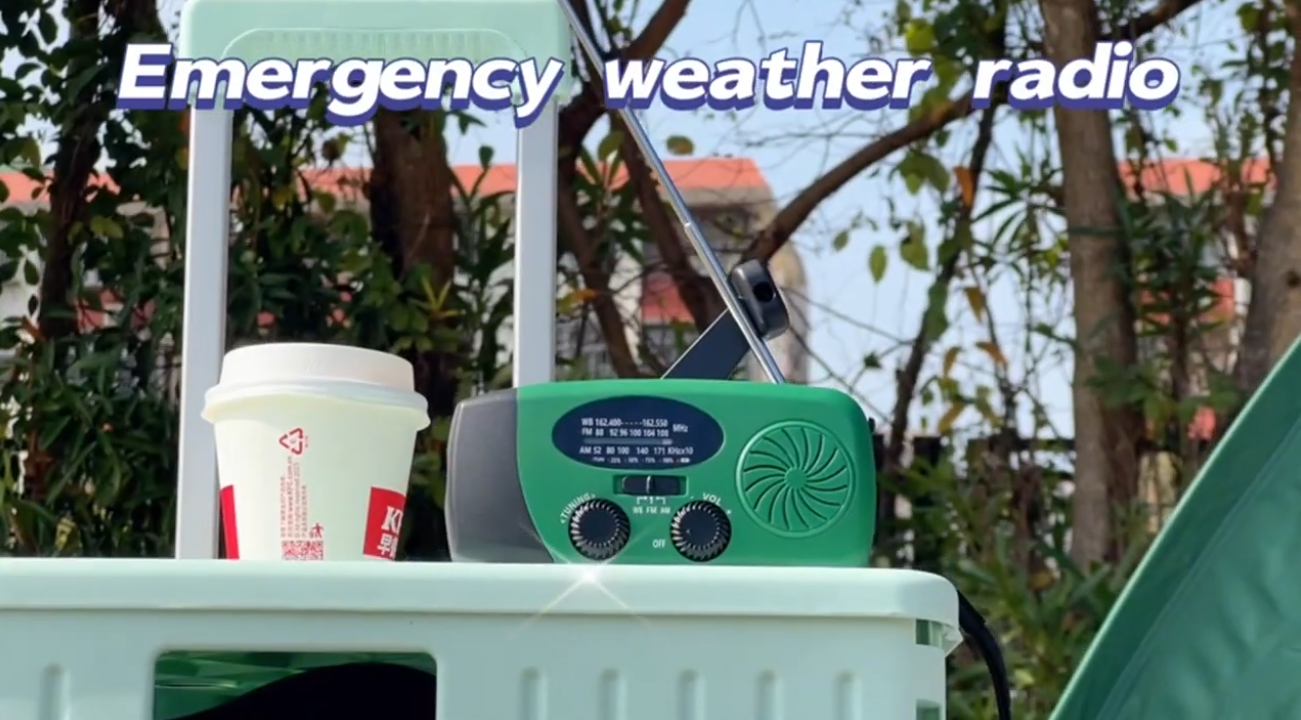
This self-sufficiency makes hand-crank radios indispensable for emergency preparedness kits, camping trips, and survival situations, ensuring users can always access critical news, weather alerts, or emergency broadcasts .
| Power Generation Method |
Pros |
Cons |
| Hand-Crank Dynamo |
Unlimited power source; independent of weather. |
Requires manual effort; inconsistent power output if cranked incorrectly. |
| Solar Panel |
Passive charging in daylight; silent operation. |
Dependent on direct sunlight; slow charging rate. |
| Internal Battery (Rechargeable) |
Immediate, stable power supply. |
Finite resource; requires external charging initially. |



